Most homeowners think about their water and waste infrastructure only when something goes wrong. A faucet stops working, a drain backs up, water pressure drops, or an unpleasant odor appears outside. Yet these systems operate every day behind walls, beneath floors, and underground, carrying clean water into the home and moving wastewater safely away. When they are maintained properly, they support sanitation, comfort, appliance performance, and the long-term condition of the property.
Reliable operation depends on more than reacting to emergencies. Homeowners benefit from understanding how their equipment works, recognizing early warning signs, and following a practical maintenance schedule. Small issues such as slow drainage, fluctuating pressure, or damp ground can indicate developing problems that become more expensive when ignored.
This guide explains how residential water supply and waste removal systems work together, when to arrange professional maintenance, how to plan upgrades, and what steps can reduce the risk of unexpected failures. With regular attention and informed decisions, homeowners can protect their property while keeping essential household systems working efficiently.
Understand How Water Moves Through the Property
A home’s water supply and waste removal components are closely connected, even though they perform opposite functions. Clean water enters through a municipal connection or private source, travels through supply lines, and reaches fixtures, appliances, and outdoor spigots. Used water then moves through drain lines before leaving the property through a public connection or an onsite treatment system.
Homes that rely on septic systems require careful water management because all wastewater must be treated on the property. Solids settle inside the tank, liquids flow into a drainage area, and naturally occurring bacteria help break down waste. Excess water use, improper disposal habits, or damaged components can interfere with this process and cause backups, odors, or drainage problems.
Properties with private water sources also require dependable well services to maintain water quality and consistent pressure. A typical system may include a drilled source, pump, pressure tank, electrical controls, and filtration equipment. Each component affects overall performance, so homeowners should know where the major parts are located and how to shut them down during an emergency.
Creating a basic property map can make future maintenance easier. Homeowners should identify shutoff valves, access points, tank lids, drainage areas, and the route of underground lines. Keeping installation records, service invoices, permits, and inspection reports in one place also helps professionals diagnose problems faster.
Daily habits matter as well. Avoid flushing wipes, grease, chemicals, medications, or hygiene products. Spread laundry loads throughout the week, repair leaks quickly, and watch for changes in pressure or drainage. These simple actions reduce strain on the entire system and make it easier to notice unusual behavior before a serious failure occurs.
Create a Preventive Maintenance Schedule
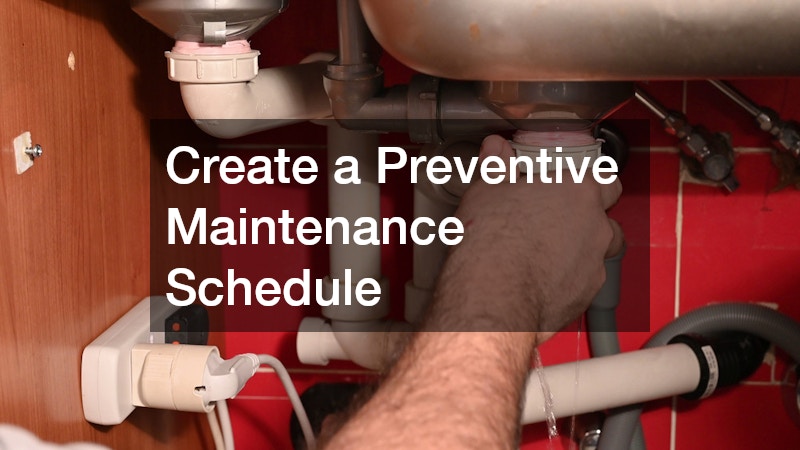
Waiting for a backup or overflow is one of the most expensive ways to manage a home’s waste infrastructure. Preventive care allows professionals to remove accumulated material, evaluate component condition, and identify problems before they affect the house or yard. A written schedule is especially helpful because maintenance needs can be easy to forget when everything appears to be working normally.
The correct frequency for septic service depends on household size, tank capacity, water use, and the volume of solids entering the system. A larger family may need more frequent attention than a smaller household using the same size tank. Homes with garbage disposals, frequent guests, older equipment, or unusually high water use may also require shorter service intervals.
Regular septic pumping removes the sludge and floating material that remain inside the tank. If these layers become too thick, solids may move into the drainage area and clog the soil. Once that area is damaged, pumping the tank may not be enough to restore performance. Repairs can involve excavation, replacement components, or construction of a new drainage area.
Homeowners should record the date of every visit and ask the technician to note tank condition, liquid levels, baffle condition, filter status, and any signs of intrusion or damage. These records reveal patterns over time and help determine whether the maintenance interval should change.
A good annual routine also includes checking for slow drains, unusual odors, soggy soil, lush strips of grass, or gurgling fixtures. Water should not collect near access lids or drainage areas. Roof runoff, irrigation, and grading should direct surface water away from underground components.
Inside the home, reduce unnecessary water use by repairing dripping faucets, running full dishwasher loads, and replacing malfunctioning toilets. A leaking toilet can send a surprising amount of water into the waste system each day. Preventive maintenance is most effective when professional care is supported by responsible household habits.
Call Professionals Before Damage Spreads
Some household problems can be handled with simple maintenance, but others require trained diagnosis and specialized equipment. Homeowners should not assume that every slow drain is caused by a minor clog or that recurring backups can be solved with store-bought chemicals. Repeated symptoms often indicate a larger issue involving damaged lines, poor venting, root intrusion, or failing underground components.
A qualified plumbing company should be contacted when several drains slow down at the same time, water backs up into lower fixtures, pressure changes suddenly, or unexplained moisture appears near walls and floors. Other warning signs include discolored water, persistent odors, banging pipes, unusually high water bills, and a pump that cycles too often.
Professional technicians can inspect accessible components, test pressure, locate leaks, and use cameras to examine buried lines. Accurate diagnosis prevents homeowners from spending money on temporary fixes that do not address the real cause. It also reduces the chance of damaging pipes through aggressive plunging, chemical cleaners, or improper tools.
Sewer repair may be necessary when a buried line becomes cracked, collapsed, misaligned, or blocked by roots. Older materials can deteriorate over time, especially when exposed to shifting soil, freezing conditions, or repeated ground movement. Warning signs may include frequent blockages, sewage odors, wet areas in the yard, or wastewater appearing at a cleanout.
Homeowners should act quickly when contaminated water enters the house. Contact with wastewater can damage flooring, drywall, insulation, cabinetry, and personal belongings. The affected area may also require professional cleaning and drying after the source of the problem is corrected.
When selecting a contractor, verify licensing, insurance, experience, and familiarity with local codes. Ask for a written explanation of the problem, recommended work, warranty terms, and whether permits are required. A trustworthy professional should be able to explain both the immediate repair and any steps that can prevent the issue from returning.
Plan Major Upgrades Carefully

Large water system projects require more planning than replacing a faucet or clearing a drain. Homeowners may need to upgrade aging materials, increase capacity, improve pressure, replace damaged underground lines, or prepare a property for an addition. Careful planning reduces disruption and helps ensure that the finished system can support future household needs.
A new plumbing installation should begin with an evaluation of water demand, fixture placement, pipe sizing, drainage requirements, and local building codes. The design should account for the number of bathrooms, major appliances, outdoor connections, and possible future renovations. Poorly sized lines can create weak pressure, noise, slow drainage, or uneven performance.
Material selection also matters. Different piping materials vary in durability, cost, temperature tolerance, and suitability for local water conditions. Homeowners should discuss corrosion risks, freezing concerns, insulation, access points, and expected service life with the installer. Placing shutoff valves in practical locations can make later repairs much easier.
For properties without a dependable municipal source, well drilling may provide access to groundwater. Before work begins, the site must be evaluated for soil conditions, nearby contamination risks, legal setbacks, access for equipment, and estimated depth. The location should remain safely separated from waste treatment areas, fuel storage, livestock zones, and other possible pollutants.
Once construction is complete, water quality testing is essential. Tests may evaluate bacteria, nitrates, minerals, hardness, iron, or other substances common in the region. Filtration or treatment equipment may be recommended based on the results.
Homeowners should also consider electrical requirements, backup power, pressure storage, and future service access. Underground locations should be documented before landscaping, paving, or building additions are completed. Taking photographs and measurements during construction creates a useful record that can prevent accidental damage later.
A major project should solve current problems while improving long-term reliability. Choosing qualified professionals, obtaining permits, reviewing written plans, and scheduling inspections are more important than selecting the lowest estimate. Properly designed work can serve the property for decades.
Inspect Pumps and Underground Components
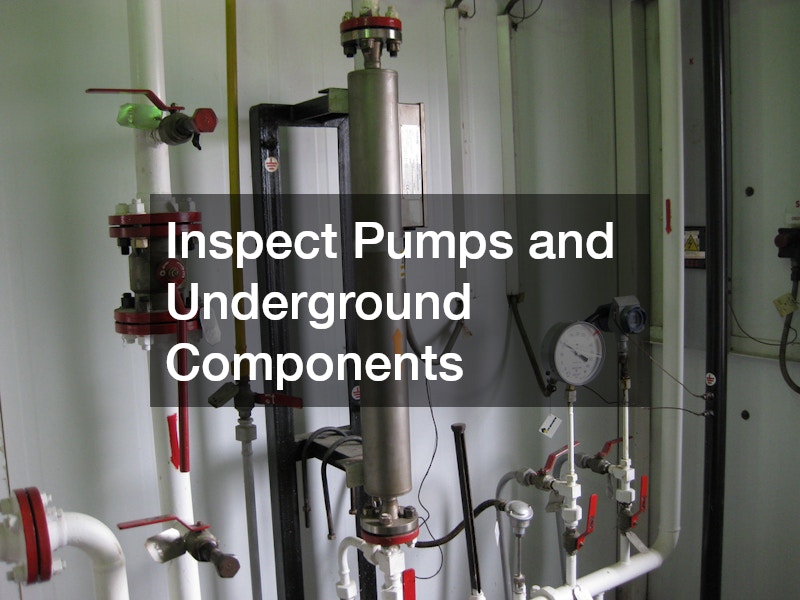
Pumps are central to many residential water and waste systems. They may move water from an underground source, send wastewater uphill, maintain pressure, drain a low area, or support treatment equipment. Because pumps often operate out of sight, homeowners may not recognize a developing issue until performance becomes inconsistent.
Professional pump services can include pressure testing, electrical checks, control adjustments, cleaning, replacement, and emergency troubleshooting. Homeowners should schedule an evaluation when they notice rapid cycling, reduced pressure, unusual noises, air in the lines, cloudy water, tripped breakers, or sudden increases in electricity use.
A pump that turns on and off too frequently may be responding to a damaged pressure tank, hidden leak, incorrect setting, or failing control. Continuous operation may indicate a leak, blocked intake, falling water level, or equipment that can no longer meet demand. Ignoring these symptoms can shorten motor life and result in a complete loss of service.
A septic tank inspection provides important information about underground waste components that cannot be evaluated from inside the home. Depending on the system, the technician may examine lids, baffles, filters, liquid levels, visible walls, pumps, alarms, and flow from the building. The drainage area may also be checked for ponding, odors, or unusually wet soil.
Inspections are particularly valuable before buying or selling a property. A basic visual check may not reveal excessive solids, damaged components, illegal connections, or evidence of poor maintenance. Buyers should request records and learn the location, age, capacity, and condition of the system before completing the purchase.
Homeowners should test alarms and verify that control panels remain dry, accessible, and protected from damage. Trees and deep-rooted plants should be kept away from underground lines and treatment areas. Heavy vehicles, sheds, patios, and pools should not be placed over buried equipment unless the design specifically allows it.
Regular testing creates a baseline for future comparisons. When pressure, electrical demand, flow, or tank condition begins to change, professionals can identify the trend before a total failure occurs. Preventive inspection is usually less disruptive than emergency excavation or replacement.
Build a Long-Term Care Plan for the Entire Property

Reliable water and waste performance comes from consistent attention rather than occasional emergency repairs. Homeowners should create a simple long-term plan that combines routine observation, professional maintenance, accurate records, and responsible daily use. The goal is to catch small changes before they lead to property damage, contamination, or loss of service.
Start by making a yearly calendar for inspections, water testing, filter changes, alarm checks, and seasonal observations. Review service records at least once a year and update the schedule when household size or water use changes. A new appliance, home addition, rental unit, or growing family can place added demand on equipment that previously worked well.
Homeowners should also maintain an emergency file with contractor information, shutoff locations, equipment model numbers, permits, warranties, and photographs of underground routes. Everyone in the household should know how to stop the water supply and whom to call when a backup, leak, or pressure failure occurs.
Avoid covering access points, building over buried components, or planting large trees nearby. Direct rainwater away from underground equipment, repair leaks promptly, and never ignore recurring drainage or pressure symptoms. When major work is needed, hire qualified professionals who can explain the cause, provide written recommendations, and complete the project according to local requirements.
A well-maintained property is easier to operate, safer to live in, and less vulnerable to sudden disruption. By understanding how essential systems function and giving them regular care, homeowners can protect both their daily comfort and the long-term value of their home.