
The water flowing through your pipes does more than quench your thirst and fill your bathtub. It interacts with every appliance, fixture, and pipe in your home, and when it is out of balance, it can quietly cause corrosion, buildup, and premature equipment failure. Many homeowners spend thousands fixing symptoms like leaky fixtures or short-lived appliances without realizing the root cause is sitting in their water supply. Understanding what is really in your water is the first step toward protecting your home and your wallet.
Hard Water Minerals and Their Effect on Pipes and Fixtures
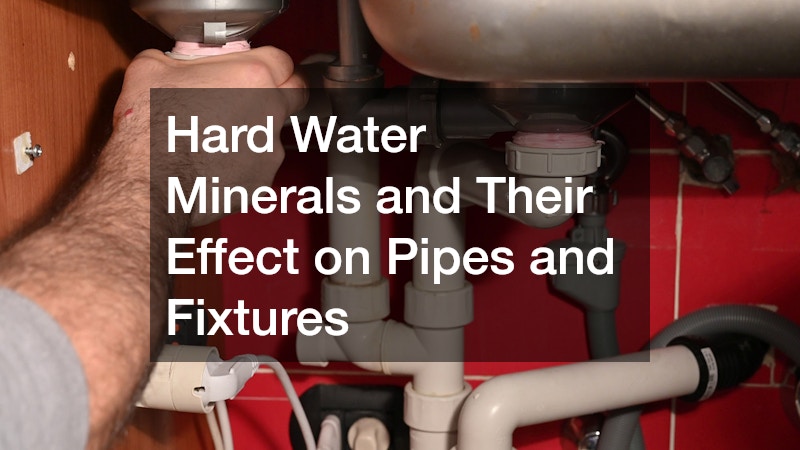
Hard water contains high concentrations of calcium and magnesium, which sound harmless but behave like slow-motion cement inside your plumbing. Over months and years, these minerals build up scale on the interior walls of pipes, faucets, and showerheads, gradually restricting flow and reducing water pressure throughout the house. Homeowners often notice cloudy spots on dishes, stiff laundry, or dry skin long before they connect these symptoms to the water itself.
The good news is that this is one of the more fixable water quality issues out there. Installing a water softener addresses the problem at the source by exchanging calcium and magnesium ions for sodium or potassium before the water ever reaches your fixtures. This simple swap can extend the life of everything from coffee makers to washing machines.
- White or chalky residue on faucets and glassware
- Reduced lathering with soap and shampoo
- Visible scale buildup inside kettles or coffee pots
- Noticeably lower water pressure over time
Water Heater Strain from Sediment and Scale Buildup
Your water heater works harder than almost any other appliance in your home, and hard water minerals make that job even tougher. Sediment settles at the bottom of the tank, insulating the heating element from the water it is supposed to warm, which forces the unit to burn more energy for the same result. Over time, this leads to strange popping or rumbling noises, inconsistent hot water, and a shortened lifespan for the entire system.
Many homeowners are surprised to learn that a professional flush can dramatically improve efficiency and delay the need for a full replacement. When damage has already progressed too far, water heater repair and replacement become the more practical option, especially for units older than ten years. Catching the early warning signs can mean the difference between a simple service call and an emergency without hot water.
- Rumbling or popping sounds during heating cycles
- Water that takes longer than usual to get hot
- Rust-colored water coming from hot taps
- Rising energy bills without a clear explanation
Boiler Efficiency and the Hidden Cost of Scale

Homes that rely on boilers for heat face a similar but often more expensive version of the scale problem. Mineral deposits inside a boiler system reduce heat transfer efficiency, meaning the unit has to burn more fuel to reach the same temperature, which shows up directly on utility bills. Left unaddressed, this buildup can cause hot spots, stress cracks, and eventually full component failure.
Routine boiler system treatment using chemical inhibitors and periodic flushing keeps mineral scale from accumulating on internal surfaces. This kind of proactive maintenance is far less expensive than replacing a cracked heat exchanger or an entire boiler unit. Homeowners with older boilers in particular should treat this as a seasonal checkup rather than an afterthought.
- Uneven heating across radiators or rooms
- Unusual banging or kettling noises from the boiler
- Longer heat-up times than in previous years
- Visible corrosion around pipe connections
Well Water Contaminants Homeowners Often Overlook
Homes on private wells face a different set of water quality challenges than those on municipal supply. Without a utility company monitoring the source, well owners are responsible for identifying issues like iron, sulfur, bacteria, or nitrates that can affect both taste and safety. These contaminants often go unnoticed until they cause staining, odor, or a noticeable change in how the water feels.
If your well seems to be losing pressure, producing discolored water, or simply aging out, working with a company specializing in local well drilling can help you understand whether the issue is the well itself or something happening underground. A properly drilled and cased well is the foundation of good water quality, and problems at this level cannot be solved by filtration alone. Getting an expert opinion early can prevent a small well issue from becoming a costly one.
- Reddish or orange staining in sinks and tubs
- Rotten egg smell suggesting sulfur content
- Cloudy or gritty water after periods of heavy rain
- Noticeable drop in water pressure over time
The Role of Water Testing in Diagnosing Household Problems

Guessing at what is wrong with your water almost always leads to buying the wrong solution. Comprehensive water testing measures hardness, pH, iron content, bacteria levels, and a range of other factors that can point directly to the right fix. Without this baseline information, homeowners often end up purchasing filtration systems that do not address their actual problem.
Testing is especially important after moving into a new home, noticing a sudden change in taste or color, or before investing in any water treatment equipment. A simple at-home kit can catch obvious issues, but a lab analysis provides the detail needed for serious decisions. Think of it as the diagnostic step that saves you from expensive trial and error down the road.
- Test annually if you are on a private well
- Test after any noticeable change in taste, smell, or color
- Test before buying a softener, filter, or other treatment system
- Use a certified lab for the most accurate results
Tankless Systems and Sensitivity to Water Quality
Tankless water heaters are prized for their efficiency and endless hot water, but they are notably more sensitive to mineral content than traditional tank units. Because water passes through narrow heat exchanger channels, even moderate hardness can cause scale to accumulate quickly and choke off performance. This is one of the most common reasons homeowners see disappointing results from a new tankless installation.
Pairing a tankless system with properly treated water protects the investment and keeps the unit running at its rated efficiency for years longer. Manufacturers often specify water hardness thresholds in their warranty terms, and ignoring them can void coverage entirely. Anyone considering this upgrade should treat water quality as part of the decision, not an afterthought.
- Check manufacturer hardness limits before installation
- Schedule regular descaling flushes as recommended
- Watch for reduced flow rate as an early warning sign
- Consider pretreatment for homes with known hard water
Drain Line and Septic Impacts from Household Water Chemistry
What goes down your drains matters just as much as what comes out of your faucets. Harsh water chemistry, high mineral content, and certain softener discharge can affect how well household wastewater breaks down, particularly in homes with a septic system rather than a municipal sewer connection. Improperly managed wastewater treatment at the household level can lead to slow drains, unpleasant odors, and premature system strain.
Homeowners on septic systems should be mindful of what additives and chemicals enter their plumbing, since some water softening byproducts can disrupt the bacterial balance needed for proper breakdown. Regular pumping and inspection schedules help catch problems before they become expensive repairs. Being proactive here protects both your yard and your long-term plumbing costs.
- Avoid excessive bleach or antibacterial products with septic systems
- Schedule septic inspections every one to three years
- Watch for slow drains as an early warning sign
- Space out laundry loads to avoid overwhelming the system
Corrosion and Pipe Damage from Imbalanced Water Chemistry
Water that is too acidic or too aggressive can be just as damaging as hard water, just in a different way. Low pH water tends to corrode copper and galvanized pipes from the inside out, leading to pinhole leaks, discolored water, and a metallic taste. This kind of damage often develops slowly and is easy to miss until a leak actually appears inside a wall or ceiling.
If you notice frequent small leaks or blue-green staining around fixtures, it is worth having your plumbing inspected before the problem spreads. Calling in local plumbers who understand the water chemistry common to your specific region can help pinpoint whether corrosion, not just old age, is the underlying cause. Addressing the water chemistry alongside any repair prevents the same damage from recurring in new pipes.
- Blue-green staining near copper fixtures
- Metallic taste in drinking water
- Recurring pinhole leaks in copper piping
- Discolored water after periods of non-use
Choosing the Right Professional for Ongoing Water Quality Care
Water quality issues rarely stay confined to one appliance or fixture, which is why having a trusted professional on call matters. Hard water scale might show up first in your coffee maker, but it’s also quietly coating your water heater elements, narrowing pipe diameters, and shortening the life of your washing machine. Treating symptoms one appliance at a time often means missing the underlying cause and paying for repairs that keep recurring.
A full-service plumbing company can evaluate your entire system, from the water main to individual fixtures, and recommend treatment options tailored to your specific water profile rather than a one-size-fits-all fix. This typically starts with a water test measuring hardness, pH, iron content, and chlorine levels, followed by an inspection of your existing pipes, water heater, and any current filtration equipment. From there, a qualified plumber can recommend whether a whole-house softener, a sediment filter, a reverse osmosis system under the kitchen sink, or some combination makes sense for your household’s needs and budget.
This kind of comprehensive view is especially valuable for older homes with a mix of pipe materials and appliance ages. A house with sections of galvanized steel, copper, and PEX piping, for instance, will react to hard water and corrosion differently in each section, and a generic filter installed at one point of entry won’t address every vulnerability. Working with one plumbing company over time also means they’ll have a record of your system’s history, making it easier to catch small issues, like a slowly failing pressure valve, before they become expensive emergencies.
Rather than waiting for a crisis, many homeowners now schedule an annual plumbing service that includes a water quality check alongside standard inspections. During this visit, a technician typically tests hardness, pH, and chlorine or sediment levels, and inspects your water heater and fixtures for early mineral buildup. This proactive approach catches small issues, like early scale buildup or a slow pH drift, before they turn into major repairs.
When choosing a professional for this ongoing role, look beyond basic licensing. Ask whether they carry water treatment certifications, such as those from the Water Quality Association, and whether they test both incoming water and water after it passes through any existing softener or filter. A good technician will also explain results in plain terms rather than simply pushing a product.
Cost is another factor worth discussing upfront. Annual water quality checks bundled with plumbing service typically run $75 to $200 depending on your region and the scope of testing, which is modest compared to replacing a corroded water heater or repiping damaged sections.
Building a relationship with a professional you trust pays off significantly over the life of your home. Over several years, the same technician gets to know your home’s plumbing history, water source quirks, and past repairs, allowing them to spot trends, like gradually worsening scale, that a first-time visitor might easily miss.
- Ask about experience with your specific water source, since well water often involves iron, sulfur, or bacteria issues while municipal water may need chlorine byproduct or lead-line solutions
- Request a written explanation of any recommended treatment, including the problem it solves, expected cost, and maintenance requirements
- Get a second opinion before committing to whole-home systems costing more than a few thousand dollars
- Confirm licensing and insurance before major work, and ask for references from jobs completed in the past year
- Verify they pull required permits for softener drain lines or backflow prevention devices
- Schedule inspections annually rather than reactively, ideally timed around seasonal shifts that affect well levels or municipal treatment changes
- Keep records of past water test results so any new technician can spot trends over time
Water quality problems rarely announce themselves loudly at first, but their effects compound quietly through your pipes, appliances, and utility bills over time. By paying attention to the warning signs and understanding how your water interacts with your home’s systems, you can catch issues early rather than facing expensive emergencies later. The smartest next step is simple: get your water tested, understand what it actually contains, and use that information to make targeted decisions rather than guesses. Your home’s plumbing, heating, and appliances will last longer and perform better once the water running through them is finally working with your home instead of against it.