Plumbing problems have a way of starting small and becoming expensive when they are ignored. A sink that takes slightly longer to empty may eventually stop draining altogether. A small leak under a cabinet can damage flooring, encourage mold growth, or indicate deterioration elsewhere in the system. Learning to recognize these early warning signs can help homeowners respond before a minor inconvenience becomes a disruptive household problem.
Some plumbing issues can be addressed with basic maintenance, while others require specialized equipment and professional experience. The challenge is knowing the difference. Homeowners should understand what they can safely inspect, what temporary measures may help, and when attempting a repair themselves could make the situation worse.
The following common plumbing problems illustrate how professionals diagnose underlying causes and determine appropriate solutions. Understanding these processes can also help homeowners ask better questions, make informed repair decisions, and develop maintenance habits that support a reliable plumbing system.
Clear Slow and Clogged Drains Before They Cause Backups
A slow drain is easy to dismiss, particularly when water still eventually disappears. However, slower drainage is often the first indication that material is accumulating inside a pipe. Bathroom drains commonly collect hair, soap residue, toothpaste, and personal care products. Kitchen drains can develop buildup from grease, fats, food particles, and other debris. Over time, the opening available for wastewater becomes increasingly narrow.
Homeowners can reduce minor buildup by regularly removing visible debris from drain covers and using strainers to catch hair and food particles. Avoid pouring grease or cooking oil down kitchen sinks because these materials can cool and adhere to pipe walls. Flushing large amounts of inappropriate material down toilets should also be avoided.
If multiple fixtures drain slowly, gurgle, or back up at the same time, the problem may be deeper in the drainage system. Professional drain cleaning can address blockages that household methods cannot reach. Depending on the situation, technicians may use specialized drain equipment or cameras to locate and remove the obstruction.
Experienced plumbers also look beyond the immediate clog. Recurring blockages may indicate pipe damage, root intrusion, poor drainage design, or another issue that requires more than repeatedly clearing the same drain. Identifying the cause helps prevent a cycle of temporary fixes.
Address Leaks Quickly to Prevent Hidden Water Damage
Not every plumbing leak creates an obvious puddle. Some leaks occur inside walls, beneath floors, behind appliances, or in other areas that are difficult to inspect. Homeowners should therefore watch for indirect warning signs such as unexplained increases in water bills, musty odors, peeling paint, warped flooring, damp cabinetry, or stains on walls and ceilings.
When a visible leak is discovered, determine whether the water can be safely stopped. Fixture-specific shutoff valves are commonly located beneath sinks and behind toilets. For a major leak, knowing the location of the home’s main shutoff valve can prevent significant damage while assistance is arranged.
A professional water repair service can investigate situations where the source of water loss is not immediately apparent. Technicians may inspect connections, valves, supply lines, fixtures, and surrounding materials to determine where the problem originates. This is important because water can travel away from a damaged pipe before becoming visible.
The appropriate plumbing repair depends on the source and extent of the damage. A loose connection may require a relatively straightforward correction, while a deteriorated section of pipe could require replacement. Professionals also consider why the leak developed. Excessive pressure, corrosion, freezing temperatures, or aging materials can create conditions that lead to repeated failures if the underlying problem is left unresolved.
Fix Running and Damaged Toilets Before Water Is Wasted
A toilet that continues running after it has been flushed can waste a substantial amount of water over time. Common causes include a worn flapper, an incorrectly adjusted float, a faulty fill valve, or a chain that prevents the flapper from sealing properly. Many of these components are inexpensive, but determining which one is responsible is essential before replacing parts.
Homeowners can begin by removing the tank lid and observing what happens during a flush cycle. The flapper should lift and then create a secure seal over the flush valve. The tank should refill to the appropriate level before the water stops. Components that stick, fail to seal, or appear visibly deteriorated may need attention.
Other toilet problems can be more serious. Water around the base may indicate a failed seal or another leak, while frequent clogs could be related to the toilet itself or the drainage system. Cracks in the porcelain should also be taken seriously because they can eventually result in leakage.
When an older fixture repeatedly requires repairs, toilet installation may be more practical than continuing to replace individual components. A professional can verify that the new fixture fits the existing plumbing, sits securely, seals correctly, and operates without leaks. Homeowners replacing a toilet can also consider water efficiency, bowl dimensions, height, flushing performance, and bathroom space when selecting a model.
Restore Hot Water by Identifying the Actual Heater Problem
Hot water problems can appear in several forms. A household may suddenly have no hot water, temperatures may fluctuate, or the available hot water may run out much sooner than expected. Other warning signs include unusual popping or rumbling sounds, moisture around the unit, rusty-looking water, or changes in water temperature.
The potential causes vary according to the type and age of the equipment. Sediment can accumulate inside a tank and affect efficiency. Electric units can experience heating element or electrical component failures, while gas-powered equipment can develop problems involving ignition or burner components. Temperature controls and other parts can also malfunction.
Homeowners should visually inspect the area around the equipment for moisture and pay attention to changes in performance. Maintenance recommendations vary by system, so the manufacturer’s instructions should be followed rather than assuming every unit requires the same procedure.
Professional water heater services can help determine whether a specific component can be repaired or whether the condition and age of the equipment make replacement a better investment. Technicians may consider the unit’s age, capacity, energy efficiency, repair history, and overall condition. A professional evaluation is particularly important when there is active leakage, suspected gas trouble, electrical concerns, or other potential safety issues.
Respond Safely When a Plumbing Problem Becomes an Emergency
Some plumbing problems should not wait until the next convenient appointment. Burst pipes, uncontrolled leaks, overflowing fixtures, sewage backups, and other situations involving significant amounts of water can quickly damage flooring, drywall, furniture, electrical systems, and personal belongings.
The first priority is limiting damage without putting anyone at risk. Homeowners should know where the main water shutoff valve is located before an emergency occurs. If water is rapidly escaping from a pipe or fixture and cannot be controlled with a local valve, shutting off the main supply can significantly reduce additional damage.
Electrical hazards require extra caution. Do not enter standing water if electrical outlets, appliances, wiring, or electrical panels could be affected. When there is uncertainty about electrical safety, stay away from the area and seek appropriate professional assistance.
After stopping the water when it is safe to do so, move vulnerable belongings away from the affected area and document visible damage if necessary. Emergency plumbing services should be contacted when a problem is actively causing damage, creating an unsanitary condition, or preventing essential plumbing fixtures from being used safely.
Preparation makes these situations easier to manage. Labeling shutoff valves, keeping important service information accessible, and ensuring household members know basic emergency procedures can save valuable time when water is spreading quickly.
Investigate Low Water Pressure Instead of Ignoring It
Low water pressure can range from a minor fixture problem to an indication of a larger supply issue. The first step is determining how widespread the problem is. If only one faucet has weak flow, the cause may be a clogged aerator or localized fixture problem. If pressure is low throughout the house, further investigation is appropriate.
Start by checking several fixtures, including both hot and cold water. Faucet aerators and showerheads can accumulate mineral deposits that restrict flow. Cleaning these components may improve performance when the issue is limited to a particular fixture.
A sudden reduction in pressure throughout the home deserves more attention. Potential causes can include partially closed valves, leaks, deteriorating pipes, pressure-regulating equipment, or problems affecting the property’s supply. A professional water service can evaluate these broader issues and determine whether the restriction originates within the home or elsewhere in the system.
Homeowners should be especially cautious when low pressure appears alongside unexplained moisture or increased water consumption. Those symptoms may suggest that water is escaping somewhere before reaching the fixtures. Rather than simply accepting weaker flow, investigating a sudden or persistent pressure change can help identify problems before they become more damaging.
Repair Aging Pipes Before Corrosion Leads to Failure
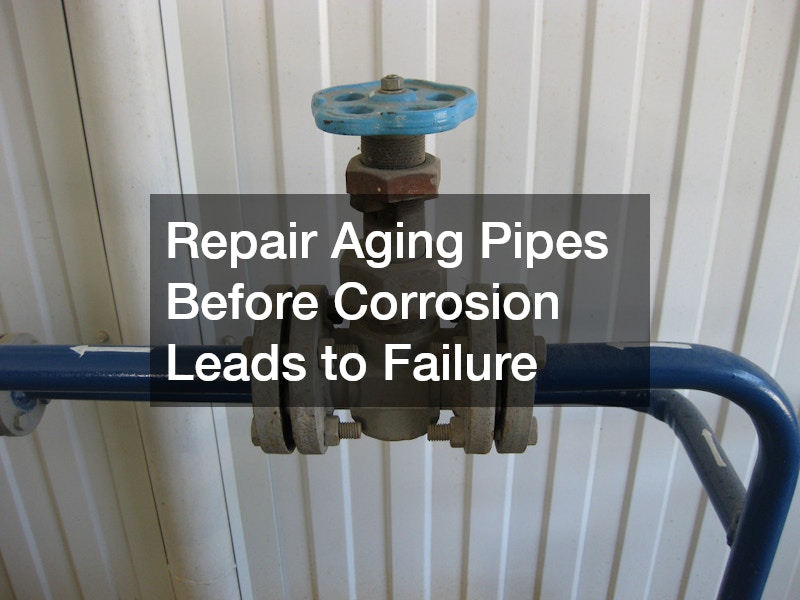
Pipes do not last indefinitely. Their expected service life depends on the material, installation quality, water conditions, environmental exposure, and other factors. As piping deteriorates, homeowners may notice recurring leaks, reduced flow, discoloration, unusual water quality, or visible corrosion on exposed sections.
An occasional isolated leak does not necessarily mean an entire piping system needs replacement. However, multiple leaks in aging pipes may indicate broader deterioration. Professionals evaluate the material and condition of the system, the location of damaged sections, accessibility, and the frequency of previous repairs before recommending a solution.
Traditional replacement involves removing damaged piping and installing new material. In certain appropriate applications, pipe relining may offer an alternative that rehabilitates the inside of an existing pipe. Whether this method is suitable depends on the pipe’s condition, configuration, type of damage, and other technical factors.
Homeowners should request a clear explanation of the recommended approach, particularly when extensive work is proposed. Ask what caused the deterioration, which sections are affected, whether nearby pipes show similar problems, and what alternatives are available. Understanding whether the problem is isolated or system-wide helps homeowners make better long-term decisions instead of paying repeatedly for short-lived repairs.
Prevent Repeat Problems With Professional Inspections and Maintenance
Preventive plumbing care does not need to be complicated. A few consistent habits can make it easier to identify changes before they become emergencies. Periodically inspect exposed pipes, cabinets beneath sinks, areas around toilets, and spaces near water-using appliances for signs of moisture or corrosion.
Pay attention to patterns as well. A drain that clogs every few months, a toilet that repeatedly needs adjustment, or a pipe that has been repaired multiple times may be telling you that the underlying issue has never been fully addressed. Keeping basic notes about recurring problems can provide useful information during a professional inspection.
Homeowners should also know where important shutoff valves are located and test them according to appropriate maintenance guidance so they are accessible when needed. Avoid treating drains as waste disposals, protect pipes from freezing where relevant, and address unexplained changes in pressure, water quality, or utility costs promptly.
Establishing a relationship with a reputable plumbing company can also simplify maintenance and repairs. When selecting a provider, consider licensing requirements in your area, relevant experience, reputation, communication, and the clarity of written estimates. A reliable professional should be able to explain the suspected cause of a problem, describe the proposed solution, and answer reasonable questions about repair options.
Preventive inspections are particularly useful in older homes or properties with a history of plumbing trouble. The goal is not to replace components unnecessarily but to identify developing problems while homeowners still have time to plan an appropriate response.
Build Better Habits for a More Reliable Plumbing System
A dependable home plumbing system requires more than reacting when something breaks. Homeowners who recognize warning signs, perform sensible maintenance, and respond quickly to unusual changes are better positioned to prevent small problems from developing into costly damage.
Start with practical habits. Keep inappropriate materials out of drains, periodically check areas where leaks commonly develop, pay attention to changes in water pressure and temperature, and learn how to shut off the home’s water supply. Do not ignore recurring symptoms simply because a temporary fix restores normal operation.
It is equally important to recognize the limits of do-it-yourself maintenance. Active leaks, sewage problems, persistent blockages, deteriorating pipes, equipment failures, and other complex issues may require professional diagnosis and specialized tools. Attempting an unfamiliar repair can sometimes damage components or conceal the original problem without actually solving it.
By combining regular observation with timely professional assistance, homeowners can protect their property, conserve water, reduce unexpected disruptions, and make more informed decisions about repairs. Plumbing systems naturally require maintenance over time, but addressing problems early is often the simplest way to keep them manageable.