Understanding Your Home’s Plumbing System From the Ground Up
Your home’s plumbing system is one of its most essential yet often overlooked components. It quietly delivers clean water, removes waste, and supports everyday activities like cooking, cleaning, and bathing. When everything works as it should, it’s easy to take for granted. But when something goes wrong, the disruption can be immediate and costly.
Having a solid understanding of how your plumbing system functions empowers you to make smarter decisions, catch issues early, and maintain your home more effectively. You don’t need to be an expert to protect your investment—you just need to know what to look for and when to take action.
This guide walks you through the most important aspects of maintaining and managing your plumbing system so you can avoid emergencies, reduce expenses, and keep everything running smoothly.
Learn the Basics of Your Home’s Plumbing Layout
A well-informed homeowner starts with understanding how water moves through their home. Your plumbing system consists of two main parts: the water supply system and the drainage system. The supply system brings clean water in under pressure, while the drainage system removes wastewater using gravity.
Start by locating your main water shut-off valve. This is crucial during emergencies, as shutting off the water quickly can prevent extensive damage. You should also identify individual shut-off valves under sinks and behind appliances. Labeling these valves can save valuable time when issues arise.
It’s also helpful to understand how different fixtures are connected. Toilets, sinks, showers, and appliances all tie into a network of pipes that require proper maintenance. If you’re unsure about your layout, experienced plumbers can provide a walkthrough or even create a simple diagram for your records.
When planning upgrades or troubleshooting recurring issues, professional plumbing services can help you understand system limitations and opportunities for improvement.
Spot Early Warning Signs Before Problems Escalate
Plumbing issues rarely appear out of nowhere. In most cases, there are early warning signs that something isn’t right. Recognizing these signs early can prevent expensive repairs and major disruptions.
Keep an eye out for reduced water pressure, unusual noises in pipes, slow drains, or water discoloration. These symptoms may indicate underlying issues such as mineral buildup, leaks, or pipe deterioration.
Seasonal changes can also put stress on your plumbing system. In colder climates, pipes are at risk of freezing and cracking, which may eventually require burst pipe repair. Even in milder regions, temperature fluctuations can weaken aging pipes over time.
Routine inspections and timely intervention are key. While some minor issues can be addressed with basic tools, recurring problems should be evaluated by professionals offering plumbing services to ensure nothing more serious is developing behind the walls.
Keep Drains Flowing With Smart Maintenance Habits
Healthy drains are essential to a functional plumbing system. Over time, debris such as grease, soap residue, hair, and food particles can build up and restrict water flow.
To prevent clogs, avoid pouring grease or oil down the sink and use drain screens to catch debris. Regularly flushing drains with hot water can help dissolve minor buildup, while a mixture of baking soda and vinegar can provide a natural cleaning solution.
However, some issues go deeper than surface-level buildup. Persistent slow drains or recurring clogs may require a professional drain cleaning service to fully clear the pipes. These services use specialized tools to remove blockages without damaging your plumbing.
In some cases, more thorough intervention may be necessary. Scheduling a routine drain cleaning service annually can help maintain optimal flow and prevent costly repairs down the line.
Upgrade Aging Pipes Without Major Disruption
Older homes often come with outdated piping materials that are prone to corrosion, leaks, and reduced efficiency. Replacing these pipes used to involve significant digging and disruption, but modern solutions have made upgrades much easier.
One of the most effective methods is a drain pipe lining service, which reinforces existing pipes from the inside without the need for excavation. This trenchless technology extends the life of your plumbing system and minimizes damage to your property.
If your home still has galvanized steel or other outdated materials, it may be time to consider upgrades. Consulting skilled plumbers can help you determine whether repair or replacement is the better option.
Investing in pipe improvements not only enhances performance but also increases property value and reduces the risk of future issues.
Protect Your Home From Costly Water Damage
Water damage is one of the most expensive problems a homeowner can face, and it often starts with something small. A minor drip behind a wall, a slow leak under a sink, or a hairline crack in a pipe can go unnoticed for weeks, gradually causing structural damage, mold growth, and higher utility bills. Taking proactive steps can significantly reduce your risk and help you catch issues before they escalate into major repairs.
Insulating exposed pipes is especially important in colder months. Pipes located in basements, crawl spaces, garages, or exterior walls are more vulnerable to freezing temperatures. When water inside the pipes freezes, it expands, putting intense pressure on the pipe walls and increasing the likelihood of cracks and leaks. Adding foam insulation sleeves or heat tape is a simple and effective way to protect these vulnerable areas. Monitoring water pressure is another critical step, as excessive pressure can weaken pipes over time and cause them to fail unexpectedly. Installing a pressure regulator or using a gauge to check levels periodically can help maintain a safe range.
If a pipe does burst, acting quickly is essential. Shut off the main water supply immediately and contact professionals for burst pipe repair. The faster you respond, the more damage you can prevent, especially when it comes to flooring, drywall, and personal belongings.
Having a basic emergency kit with tools like a pipe wrench, plumber’s tape, and towels can also make a difference while you wait for help from experienced plumbers.
Maintain Your Water Heater for Long-Term Efficiency
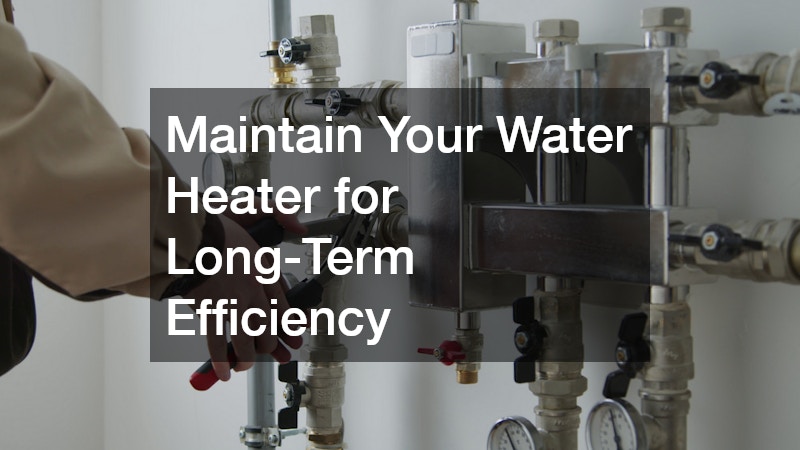
Your water heater plays a vital role in your daily comfort, but it requires regular maintenance to perform efficiently. Over time, sediment can build up in the tank, especially in areas with hard water. This buildup forms a layer at the bottom of the tank, forcing the system to work harder to heat water, which reduces efficiency and increases energy costs.
Flushing the tank once a year helps remove this buildup and extend the unit’s lifespan. This process clears out accumulated minerals and allows the heating element to function more effectively. You should also check the temperature setting to ensure it’s not too high, which can waste energy and pose safety risks. Most experts recommend keeping it around 120°F for optimal performance and safety.
It’s also important to inspect the unit periodically for signs of wear. If you notice inconsistent water temperatures, strange noises like popping or rumbling, or visible leaks around the base, it may be time for water heater repairs. Addressing these issues early can prevent complete system failure and help you avoid more expensive damage to surrounding areas.
However, if your unit is over 10–15 years old, you may want to consider water heater replacement. Older systems are typically less efficient and more prone to breakdowns. Newer models are more energy-efficient, offer improved performance, and can significantly reduce your monthly utility bills over time.
Understand Septic System Care and Responsibilities
Homes with septic systems require a different level of care compared to those connected to municipal sewer systems. Understanding how your system works is essential for avoiding costly problems.
A septic system processes waste by separating solids and liquids in a tank, allowing treated water to drain into a designated field. Regular inspections and pumping are necessary to keep the system functioning properly.
Scheduling routine septic service helps prevent overflow, backups, and environmental contamination. Most systems need to be pumped every 3–5 years, depending on usage.
In addition, arranging periodic septic tank service ensures that all components are working efficiently. Avoid flushing non-biodegradable items or harsh chemicals, as these can disrupt the system and lead to failure.
Know When to Call in the Experts

While some plumbing tasks can be handled independently, others require professional expertise. Knowing the difference can save you time, money, and frustration. Simple fixes like tightening a loose fixture or clearing a minor clog may be manageable, but anything beyond that can quickly become complicated without the right experience.
Complex issues such as major leaks, sewer line problems, or system upgrades should always be handled by professionals. Attempting to fix these problems without proper knowledge can make the situation worse, potentially leading to structural damage, mold growth, or even higher repair costs. What may seem like a small issue on the surface can often point to a deeper problem within your system.
Reliable plumbing services can diagnose issues accurately and provide long-term solutions. They not only address the immediate concern but also identify underlying causes to prevent recurring problems. Their training allows them to spot warning signs that homeowners might miss, and they can recommend the most effective course of action based on your home’s specific setup.
They also have access to specialized tools and equipment that aren’t available to most homeowners. These tools allow for more precise repairs, less invasive diagnostics, and faster completion times.
For properties with septic systems, professional septic service is especially important. Experts can ensure that your system complies with local regulations and operates safely, reducing the risk of contamination or system failure.
Budget for Repairs and Plan for Future Upgrades
Plumbing maintenance and repairs are inevitable, but planning ahead can help you manage costs more effectively. Setting aside a maintenance budget ensures you’re prepared for both routine upkeep and unexpected issues.
Common expenses may include fixture replacements, pipe repairs, and system upgrades. Larger projects, such as water heater replacement, should be planned in advance to avoid financial strain.
Similarly, investing in preventative solutions like a drain pipe lining service can save money over time by reducing the likelihood of major repairs.
Keeping records of past work and warranties can also help you track expenses and make informed decisions about future improvements.
Build a Preventative Maintenance Routine That Works
Consistency is key when it comes to maintaining your plumbing system. A well-planned routine can extend the life of your system and reduce the risk of costly repairs. Instead of waiting for something to go wrong, proactive care allows you to stay ahead of potential issues and maintain efficiency throughout your home.
Start with a seasonal checklist that includes inspecting exposed pipes for signs of wear, corrosion, or moisture buildup. Checking for leaks under sinks, around appliances, and near fixtures should become a regular habit. It’s also important to test water pressure, as levels that are too high can strain your pipes and lead to premature damage. Simple tools like pressure gauges can make this an easy task for homeowners.
Annual inspections are also recommended to catch hidden issues before they become serious. A professional can identify problems that may not be visible, such as small leaks inside walls or early signs of pipe deterioration.
If your home includes a septic system, scheduling regular septic tank service is essential for long-term performance. Routine pumping and inspections help prevent backups and costly system failures. Likewise, staying on top of water heater repairs ensures your system continues to operate efficiently and avoids unexpected breakdowns.
Keeping a maintenance log can help you stay organized and ensure nothing is overlooked. Tracking service dates, repairs, and inspections makes it easier to plan ahead and spot recurring issues. Over time, these small efforts add up to significant savings and peace of mind.
Taking Control of Your Home’s Plumbing Future
Your plumbing system is a critical part of your home’s overall functionality and comfort. By understanding how it works and taking a proactive approach to maintenance, you can prevent many of the common issues homeowners face.
From recognizing early warning signs to investing in timely upgrades, every step you take contributes to a more reliable and efficient system. Staying informed and consistent with care not only protects your home but also helps you avoid unnecessary stress and expenses.
With the right knowledge and habits, you can confidently manage your plumbing system and ensure it continues to serve your household for years to come.