Introduction: Why Strategic Home Upgrades Matter for Long-Term Comfort and Efficiency
A comfortable home is about much more than attractive finishes and modern décor. True comfort comes from systems and features that work efficiently, support daily routines, and help homeowners control long-term operating costs. From climate control and plumbing systems to flooring, garages, and renewable energy solutions, strategic upgrades can dramatically improve how a home functions while increasing its value.
Many homeowners focus on cosmetic improvements while overlooking upgrades that have a lasting impact on efficiency and livability. Aging HVAC equipment, inefficient plumbing fixtures, poor insulation, and outdated layouts can contribute to higher utility bills and reduced comfort. By identifying opportunities to improve performance and functionality, homeowners can create spaces that are easier to maintain and more enjoyable to live in.
Smart home improvements also help protect property value. Buyers increasingly prioritize homes with efficient systems, updated living spaces, and lower operating costs. Improvements that enhance energy efficiency often provide both immediate savings and long-term resale benefits.
The key is taking a strategic approach. Rather than waiting for systems to fail, homeowners can invest in preventative maintenance and upgrades that improve performance before problems arise. The result is a home that operates more efficiently, feels more comfortable, and remains valuable for years to come.
Improve Water Efficiency and Prevent Expensive Plumbing Problems
Plumbing systems play a critical role in daily comfort and functionality. Even small leaks or hidden plumbing issues can waste water, increase utility bills, and create costly structural damage if left unresolved.
Working with a professional plumbing company allows homeowners to identify potential issues early and improve overall water efficiency. Routine inspections can reveal hidden leaks, aging pipes, and fixture problems before they develop into major repairs.
Common warning signs of plumbing issues include:
- Low water pressure
- Unexplained increases in water bills
- Slow drains
- Discolored water
- Moisture stains on walls or ceilings
Modern plumbing upgrades can significantly improve efficiency. Water-saving fixtures, low-flow toilets, and efficient faucets help reduce consumption without sacrificing performance.
Additional strategies include:
- Installing leak detection devices
- Replacing aging supply lines
- Upgrading water-efficient appliances
- Monitoring water usage regularly
Preventative maintenance not only protects the home from water damage but also contributes to long-term savings and improved system reliability.
Maximize Indoor Comfort Through Better Climate Control
Few home systems influence comfort more than climate control. Reliable heating and cooling equipment ensures comfortable indoor temperatures throughout the year while helping homeowners manage energy costs.
A qualified HVAC company can evaluate existing equipment and recommend improvements that increase efficiency and comfort. Older systems often struggle to maintain consistent temperatures and consume more energy than newer models.
Signs of declining system performance include:
- Uneven temperatures between rooms
- Rising utility bills
- Excessive humidity
- Frequent cycling
- Poor airflow
Modern heating and cooling systems often include advanced controls that improve efficiency and provide more precise temperature management.
Upgrades that improve comfort include:
- Smart thermostats
- Zoned temperature control
- Improved duct sealing
- Enhanced insulation
Regular maintenance remains essential. Seasonal inspections help identify worn components, improve airflow, and reduce the likelihood of unexpected breakdowns.
By optimizing climate control systems, homeowners can create more comfortable living spaces while reducing overall energy consumption.
Reduce Energy Costs by Addressing Cooling System Performance
Cooling systems often account for a substantial portion of household energy use during warmer months. Even minor inefficiencies can increase utility bills and reduce indoor comfort.
Routine ac repair helps maintain peak performance while preventing larger mechanical failures. Many cooling problems develop gradually, making early intervention especially important.
Common causes of reduced efficiency include:
- Dirty coils
- Refrigerant leaks
- Clogged air filters
- Failing electrical components
- Blocked airflow
Warning signs that service may be needed include:
- Warm air from vents
- Unusual noises
- Weak airflow
- Increased humidity indoors
- Frequent system cycling
Homeowners can support cooling efficiency by:
- Replacing filters regularly
- Keeping outdoor units clear of debris
- Sealing air leaks around windows and doors
- Using programmable thermostats
Preventative maintenance extends equipment lifespan and reduces the likelihood of expensive emergency repairs during periods of heavy use.
Upgrade Heating Systems for Reliability and Seasonal Efficiency
Homes that rely on fuel-based heating systems require consistent maintenance to remain efficient and reliable. Proper management of heating oil systems helps improve performance while reducing operating costs.
Efficiency problems often develop slowly and may go unnoticed until fuel consumption rises significantly.
Warning signs include:
- Uneven heating
- Frequent system cycling
- Excessive fuel usage
- Delayed system startup
- Strange odors or noises
Homeowners can improve performance through:
- Annual system inspections
- Regular filter replacement
- Monitoring fuel usage patterns
- Maintaining proper ventilation
Insulation improvements also play a major role in heating efficiency. Well-insulated homes require less fuel to maintain comfortable temperatures, reducing both operating costs and equipment strain.
Additional strategies include:
- Sealing drafts around doors and windows
- Upgrading thermostats
- Improving attic insulation
- Scheduling preventative maintenance before winter
Proper care helps heating systems operate more efficiently while improving comfort during colder months.
Improve Air Circulation and Indoor Comfort with Strategic Airflow Solutions
Air movement is often overlooked when discussing home comfort, yet proper airflow significantly influences temperature consistency and energy efficiency.
Strategically placed fans help distribute conditioned air more effectively throughout the home. Improved circulation reduces hot and cold spots while easing the workload on HVAC equipment.
Common fan applications include:
- Ceiling fans
- Exhaust fans
- Attic ventilation fans
- Whole-house ventilation systems
Benefits of improved airflow include:
- Better temperature distribution
- Reduced HVAC strain
- Enhanced indoor comfort
- Lower energy costs
Ceiling fans are particularly effective because they can be adjusted seasonally. During summer, blades should rotate counterclockwise to create a cooling effect. During winter, reversing direction helps circulate warm air more evenly.
Additional airflow improvements include:
- Keeping vents unobstructed
- Cleaning fan blades regularly
- Maintaining exhaust systems
- Improving natural ventilation when weather permits
Proper airflow strategies enhance comfort while supporting more efficient operation of heating and cooling systems.
Enhance Interior Appearance While Improving Durability
Flooring has a significant impact on both aesthetics and functionality. Among the most popular options, hardwood floors continue to provide long-term value because of their durability, versatility, and timeless appeal.
Well-maintained wood flooring offers several advantages:
- Long lifespan
- Easy cleaning
- Improved indoor appearance
- Increased property value
Selecting the right flooring depends on lifestyle, traffic levels, and maintenance preferences. Homes with pets or active households may benefit from harder wood species that resist scratching and wear.
Protective measures include:
- Using furniture pads
- Cleaning spills promptly
- Maintaining proper humidity levels
- Refinishing surfaces when necessary
Regular maintenance helps preserve appearance and extend flooring lifespan.
Recommended care practices include:
- Sweeping frequently
- Using manufacturer-approved cleaning products
- Avoiding excessive moisture exposure
- Addressing scratches before they worsen
Quality flooring contributes to a more attractive and durable living environment while supporting long-term property value.
Transform High-Use Spaces to Improve Everyday Functionality
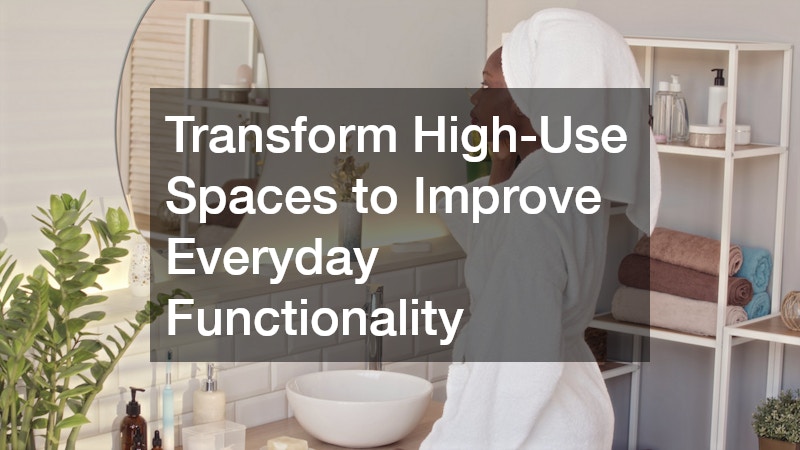
Bathrooms are among the most frequently used areas in a home, making them excellent candidates for strategic upgrades. Working with an experienced bathroom remodeler can help homeowners improve functionality, efficiency, and comfort.
Modern bathroom improvements often focus on:
- Better storage solutions
- Improved lighting
- Water-efficient fixtures
- Enhanced accessibility
Popular upgrades include:
- Walk-in showers
- Double vanities
- Improved ventilation systems
- Energy-efficient lighting
Storage enhancements can significantly improve daily usability by reducing clutter and creating more organized spaces.
Additional renovation considerations include:
- Durable flooring materials
- Moisture-resistant finishes
- Improved mirror and lighting placement
- Better ventilation to reduce humidity
Water-saving fixtures offer another opportunity for efficiency. Modern faucets, showerheads, and toilets reduce water consumption while maintaining strong performance.
Thoughtful bathroom upgrades improve both everyday convenience and long-term property value.
Create More Functional Storage and Workspace Areas
Garages often become cluttered storage spaces rather than functional extensions of the home. With proper planning, however, a garage can serve multiple purposes while improving organization and usability.
Common garage improvement goals include:
- Increasing storage capacity
- Creating workshop space
- Improving vehicle protection
- Reducing clutter
Organization strategies include:
- Wall-mounted shelving
- Overhead storage systems
- Tool organization stations
- Dedicated seasonal storage zones
Improved lighting can also enhance functionality. Bright, energy-efficient fixtures make work areas safer and more practical.
Additional upgrades may include:
- Insulated garage doors
- Durable flooring systems
- Improved ventilation
- Climate control solutions
Regular maintenance remains important as well. Homeowners should inspect door components, weather seals, and safety systems periodically to ensure reliable operation.
A well-organized garage improves convenience while maximizing usable square footage within the property.
Lower Utility Bills Through Renewable Energy Investments
Energy costs continue to be a major concern for homeowners, making renewable energy solutions increasingly attractive. Solar panels provide a practical way to reduce utility expenses while supporting long-term sustainability goals.
Modern solar systems convert sunlight into electricity that can power household systems and appliances. Depending on system size and energy usage, homeowners may significantly reduce their dependence on traditional utility providers.
Benefits include:
- Lower monthly energy costs
- Reduced environmental impact
- Increased property value
- Long-term energy savings
Before installation, homeowners should evaluate:
- Roof condition
- Sun exposure
- Energy consumption patterns
- Local regulations and incentives
Solar systems perform best when paired with other efficiency improvements such as:
- Improved insulation
- High-efficiency HVAC equipment
- Energy-efficient lighting
- Smart energy management systems
Routine maintenance requirements are relatively minimal but may include:
- Periodic cleaning
- Monitoring energy production
- Inspecting electrical connections
- Evaluating inverter performance
When properly planned and maintained, solar technology can provide decades of energy savings while improving overall home efficiency.
Create a Seasonal Home Maintenance Plan That Protects Your Upgrades
Even the best home improvements require ongoing maintenance to perform effectively over time. A seasonal maintenance plan helps homeowners protect their investments while reducing the likelihood of costly repairs.
Spring maintenance tasks often include:
- Inspecting exterior surfaces
- Checking drainage systems
- Servicing cooling equipment
- Cleaning outdoor areas
Summer priorities may involve:
- Monitoring cooling efficiency
- Inspecting roofing and siding
- Managing landscaping growth
- Evaluating outdoor living spaces
Fall preparation should focus on:
- Heating system inspections
- Sealing air leaks
- Cleaning gutters
- Preparing plumbing for colder temperatures
Winter maintenance may include:
- Monitoring indoor humidity
- Inspecting insulation performance
- Checking for drafts
- Managing snow and ice around structures
Maintaining detailed service records also helps homeowners track recurring issues and plan future upgrades more effectively.
Budget Strategically for Home Improvements and Long-Term Savings
Successful homeownership requires thoughtful financial planning. Without a maintenance and improvement budget, homeowners often delay repairs until they become significantly more expensive.
Effective budgeting strategies include:
- Setting aside monthly maintenance funds
- Prioritizing high-impact upgrades
- Planning larger projects in phases
- Maintaining emergency repair reserves
When evaluating projects, homeowners should consider:
- Expected lifespan
- Energy savings potential
- Maintenance requirements
- Impact on property value
Comparing repair costs against replacement opportunities can also help determine the most cost-effective path forward.
Long-term planning reduces financial stress while supporting smarter home improvement decisions.
Increase Property Value Through Consistent Maintenance and Smart Upgrades
Homes that receive regular maintenance and thoughtful upgrades generally perform better in the real estate market. Buyers increasingly seek properties that offer efficiency, reliability, and modern functionality.
High-impact improvements often include:
- Updated mechanical systems
- Improved insulation
- Functional living spaces
- Modern fixtures and finishes
Documentation is also valuable. Maintenance records and renovation histories help demonstrate responsible ownership and reassure potential buyers.
Additional value-enhancing practices include:
- Maintaining curb appeal
- Addressing repairs promptly
- Keeping systems updated
- Investing in durable materials
Consistent care improves both daily living and long-term resale potential.
Conclusion: Building a More Comfortable, Functional, and Energy-Efficient Home
Creating a home that delivers comfort, functionality, and energy efficiency requires more than occasional upgrades. It involves a long-term commitment to maintaining essential systems, improving daily usability, and investing in features that reduce operating costs while enhancing quality of life.
One of the most important lessons homeowners can apply is the value of proactive improvement. Small inefficiencies often develop gradually and can become expensive problems when ignored. Regular inspections, preventative maintenance, and strategic upgrades help prevent these issues while improving overall home performance.
Comfort and efficiency are closely connected. Better climate control, improved airflow, efficient plumbing systems, durable materials, and organized living spaces all contribute to a more enjoyable home environment. At the same time, these improvements often reduce utility expenses and support stronger property values.
Planning is equally important. Seasonal maintenance schedules, realistic budgets, and carefully prioritized projects help homeowners maximize the return on their investments while minimizing unexpected expenses.
Ultimately, smart home upgrades are not simply about adding features or increasing resale value. They are about creating living spaces that function better, feel more comfortable, and remain efficient for years to come. By combining preventative care with thoughtful improvements, homeowners can enjoy lasting benefits while protecting one of their most valuable investments.