Key Takeaways
- Proper plumbing planning is essential for creating a functional and reliable outdoor kitchen.
- Water supply, drainage systems, and fixture placement should be designed before construction begins to avoid costly changes later.
- Outdoor plumbing materials and fixtures should be durable, weather-resistant, and suitable for local climate conditions.
- Freeze protection, shutoff valves, and accessible plumbing connections help prevent damage and simplify maintenance.
- Local building codes and permit requirements should always be reviewed before installing outdoor kitchen plumbing.
- Regular inspections and preventive maintenance can help identify leaks, drainage issues, and other plumbing problems early.
- Working with qualified professionals can improve safety, ensure code compliance, and support long-term system performance.
Outdoor kitchens have become one of the most popular home improvement projects in recent years. They create a convenient space for cooking, entertaining, and enjoying time outdoors with family and friends. From simple grilling stations to fully equipped cooking areas with sinks, refrigerators, and dishwashers, outdoor kitchens can transform a backyard into an extension of the home.
While homeowners often focus on countertops, appliances, and seating areas, plumbing is one of the most important parts of any outdoor kitchen design. Proper plumbing allows sinks, ice makers, beverage stations, and other water-using features to function safely and efficiently.
Without careful planning, plumbing issues can lead to leaks, drainage problems, frozen pipes, and costly repairs. Understanding the basics of outdoor kitchen plumbing before construction begins can help homeowners avoid mistakes and create a functional outdoor space that lasts for years.
This guide covers everything you need to know about plumbing for an outdoor kitchen, including water supply lines, drainage systems, permits, maintenance, and important planning considerations.
Why Plumbing Matters in an Outdoor Kitchen
Many outdoor kitchens include more than just a grill.
Common features that require plumbing include:
- Sinks
- Prep stations
- Outdoor bars
- Ice makers
- Beverage dispensers
- Dishwashers
Proper plumbing helps ensure:
- Reliable water supply
- Effective drainage
- Safe operation
- Easier cleanup
- Long-term durability
Planning plumbing early in the project often prevents expensive modifications later.
Start With a Clear Outdoor Kitchen Plan
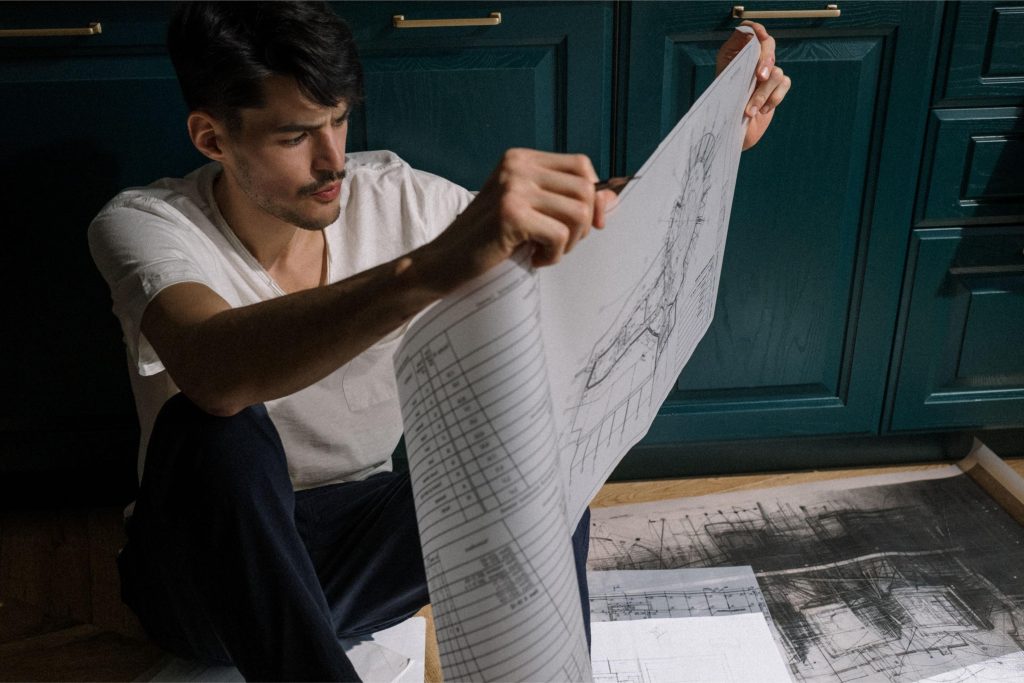
Before installing any plumbing, create a detailed layout.
Consider:
- Appliance locations
- Sink placement
- Water supply access
- Drainage routes
- Utility connections
Ask yourself:
- How often will the kitchen be used?
- Will it be seasonal or year-round?
- What plumbing fixtures are necessary?
A well-planned layout helps simplify installation and reduce costs.
Determine Your Water Needs
The size and complexity of the outdoor kitchen will influence plumbing requirements.
Basic Outdoor Kitchens
May only need:
- One sink
- Simple water connection
Advanced Outdoor Kitchens
May include:
- Multiple sinks
- Ice makers
- Beverage stations
- Outdoor dishwashers
The more fixtures included, the more extensive the plumbing system becomes.
Understanding water demand helps determine pipe sizing and system capacity.
Connect to the Home’s Existing Water Supply
Most outdoor kitchens connect to the home’s existing plumbing system.
This often involves extending water lines from:
- Kitchens
- Utility rooms
- Basements
- Crawl spaces
Connecting to existing plumbing can help:
- Reduce installation costs
- Simplify water access
- Improve reliability
A licensed plumber can help determine the most practical connection point.
Choose the Right Plumbing Pipes
Outdoor plumbing must withstand weather exposure and temperature changes.
Common Pipe Materials
PEX
Benefits include:
- Flexible installation
- Freeze resistance
- Affordable pricing
Copper
Advantages include:
- Durability
- Long lifespan
- Corrosion resistance
PVC
Often used for:
- Drainage systems
- Wastewater lines
Each material has advantages depending on climate and project requirements.
Plan for Both Hot and Cold Water
Some outdoor kitchens only require cold water.
However, adding hot water can improve convenience.
Hot water is useful for:
- Washing dishes
- Cleaning grills
- Food preparation
If desired, hot water can often be supplied through:
- Existing home systems
- Dedicated outdoor water heaters
- Tankless units
Planning for hot water early is easier than adding it later.
Understand Drainage Requirements
Water supply is only half of the plumbing system.
Every sink also requires proper drainage.
Common Drainage Options
Direct Sewer Connection
This is often the most reliable and code-compliant solution.
Dry Wells
Some areas allow wastewater disposal through dry wells.
Gray Water Systems
Local regulations may permit certain gray water disposal methods.
Always verify local codes before choosing a drainage solution.
Check Local Building Codes
Outdoor plumbing regulations vary by location.
Building codes may address:
- Pipe materials
- Drainage systems
- Backflow prevention
- Water connections
- Permit requirements
Ignoring local regulations can lead to:
- Failed inspections
- Costly corrections
- Safety concerns
Always check requirements before construction begins.
Obtain Necessary Permits
Many outdoor kitchen projects require permits.
Permits may be needed for:
- Plumbing work
- Gas lines
- Electrical systems
- Structural construction
Permit requirements vary by municipality.
Obtaining permits helps ensure work meets safety standards.
Install Backflow Prevention Devices
Backflow prevention protects drinking water supplies.
Without protection, contaminated water could potentially flow back into clean water lines.
Backflow devices help:
- Protect water quality
- Meet code requirements
- Improve safety
Many jurisdictions require backflow prevention for outdoor plumbing systems.
Consider Freeze Protection
Cold climates present unique plumbing challenges.
Frozen pipes may:
- Burst
- Crack
- Leak
Freeze Protection Strategies
- Insulated pipes
- Frost-proof faucets
- Drain valves
- Winterization procedures
Planning ahead helps prevent expensive winter damage.
Use Weather-Resistant Fixtures
Outdoor fixtures face:
- Rain
- Sun exposure
- Temperature fluctuations
- Humidity
Choose fixtures specifically designed for outdoor use.
Outdoor Fixture Features
- Corrosion resistance
- Durable finishes
- UV protection
- Weatherproof construction
High-quality fixtures often last significantly longer outdoors.
Select the Right Outdoor Sink
The sink is usually the most important plumbing fixture in an outdoor kitchen.
Popular Sink Materials
Stainless Steel
Benefits include:
- Rust resistance
- Durability
- Easy cleaning
Stone Composite
Offers:
- Attractive appearance
- Weather resistance
Copper
Provides:
- Unique style
- Natural antimicrobial properties
Choose a sink that matches both the design and functionality of the kitchen.
Think About Appliance Plumbing
Many outdoor appliances require water connections.
Examples include:
- Ice makers
- Beverage coolers
- Dishwashers
Each appliance may have specific plumbing requirements.
Review manufacturer recommendations before installation.
Position Plumbing for Easy Access
Accessibility is often overlooked during planning.
Future maintenance becomes easier when:
- Shutoff valves are accessible
- Pipes are reachable
- Connections remain visible
Hidden plumbing may create challenges when repairs are needed.
Include Proper Venting
Some drainage systems require venting to function correctly.
Vents help:
- Maintain airflow
- Prevent slow drainage
- Reduce sewer gas problems
Local plumbing codes often specify venting requirements.
A qualified plumber can help design the proper system.
Consider Water Pressure
Low water pressure can make outdoor kitchens frustrating to use.
Factors affecting pressure include:
- Pipe length
- Pipe size
- Fixture demand
- Existing household pressure
Pressure should be evaluated during planning to avoid performance issues later.
Add Shutoff Valves
Every outdoor plumbing system should include shutoff valves.
Benefits include:
- Easier maintenance
- Emergency water control
- Winterization convenience
Shutoff valves allow homeowners to isolate outdoor plumbing when necessary.
Think About Future Expansion
Homeowners often expand outdoor kitchens over time.
Future additions may include:
- Additional sinks
- Beverage stations
- Refrigeration units
Planning extra plumbing capacity now can save money later.
Installing larger supply lines initially may support future upgrades.
Coordinate Plumbing With Other Utilities
Outdoor kitchens frequently require:
- Water
- Electricity
- Gas
Careful coordination helps prevent installation conflicts.
Utilities should be planned together to ensure:
- Proper spacing
- Safe installation
- Efficient construction
Early coordination often reduces project delays.
Understand Maintenance Requirements
Like indoor plumbing, outdoor systems require maintenance.
Regular inspections help identify:
- Leaks
- Corrosion
- Loose fittings
- Drainage issues
Routine maintenance helps extend system lifespan.
Learn Basic Outdoor Plumbing Care
Homeowners should understand basic care practices.
These include:
- Checking for leaks
- Cleaning drains
- Monitoring water pressure
- Inspecting fixtures
Many outdoor plumbing issues can be identified early through simple visual inspections.
Protect Plumbing During Winter
Winterization is critical in colder regions.
Winter Preparation Steps
- Shut off water supply
- Drain outdoor lines
- Disconnect hoses
- Insulate exposed pipes
These precautions help reduce freeze damage risk.
Choose Durable Countertop Materials Around Plumbing Fixtures
Water exposure affects countertop performance.
Popular outdoor countertop options include:
- Granite
- Concrete
- Stainless steel
- Porcelain
These materials handle moisture better than many indoor countertop products.
Incorporate Proper Drain Slope
Drainage pipes require proper slope to function correctly.
Insufficient slope may cause:
- Standing water
- Slow drainage
- Clogs
Excessive slope can also create drainage problems.
Proper installation helps wastewater flow efficiently.
Prevent Clogs in Outdoor Sinks
Outdoor sinks often encounter:
- Food debris
- Grease
- Leaves
- Dirt
Preventive measures include:
- Drain strainers
- Proper waste disposal
- Regular cleaning
Avoid pouring grease or oils into outdoor drains.
Hire Qualified Professionals
While some homeowners enjoy DIY projects, plumbing installations often require professional expertise.
Professional plumbers can help:
- Meet code requirements
- Design efficient systems
- Avoid costly mistakes
- Ensure proper drainage
Hiring qualified professionals often saves time and money long-term.
Understand Long-Term Plumbing Maintenance
Building an outdoor kitchen is only the beginning.
Homeowners should also understand how to maintain home plumbing to keep both indoor and outdoor systems operating efficiently.
Regular maintenance may include:
- Leak inspections
- Drain cleaning
- Fixture maintenance
- Seasonal preparation
Good maintenance habits help reduce unexpected repair costs.
Budget for Plumbing Costs

Plumbing expenses vary based on:
- Kitchen size
- Fixture quantity
- Pipe length
- Drainage complexity
Common costs may include:
- Materials
- Labor
- Permits
- Inspections
Creating a realistic budget helps prevent surprises during construction.
Common Outdoor Kitchen Plumbing Mistakes
Avoid these common errors:
Poor Drainage Planning
Improper drainage can cause ongoing problems.
Ignoring Local Codes
Code violations may require expensive corrections.
Inadequate Freeze Protection
Cold-weather damage can be costly.
Choosing Indoor Fixtures
Indoor products may deteriorate quickly outdoors.
Skipping Shutoff Valves
Future maintenance becomes much more difficult.
Increase Convenience With Smart Features
Modern outdoor kitchens may include:
- Touchless faucets
- Water-saving fixtures
- Smart leak detectors
These upgrades improve convenience and efficiency.
Smart plumbing technology can also help detect problems early.
Final Thoughts
Plumbing is one of the most important parts of building a functional outdoor kitchen. Proper planning, quality materials, reliable drainage, freeze protection, and code compliance all contribute to a successful project.
Whether your outdoor kitchen includes a simple prep sink or a fully equipped cooking and entertainment area, understanding plumbing requirements before construction begins can save time, money, and frustration. Careful planning helps ensure that water supply and drainage systems operate safely and efficiently for years to come.
By investing in quality plumbing design and ongoing maintenance, homeowners can create outdoor kitchens that are practical, durable, and enjoyable spaces for cooking, entertaining, and relaxing outdoors.