
Your water heater works quietly behind the scenes, providing hot water for showers, dishes, and daily household tasks. But like any essential home system, it requires care to stay efficient and safe. In this article, we’ll cover how often you should inspect your water heater, key signs it needs attention, and why partnering with a plumbing company can help extend its lifespan and prevent costly breakdowns.
How Often Should Water Heaters Be Inspected?
Industry Recommendations
Most plumbing experts and water heater manufacturers recommend a professional inspection at least once a year. Annual inspections help ensure your system operates efficiently, identify early wear and tear, and maintain warranty requirements.
Both tank and tankless models benefit from these routine evaluations, though tank-style heaters usually need closer monitoring due to sediment buildup.
Signs Your Water Heater Needs an Inspection
Aside from yearly maintenance, certain symptoms indicate your water heater may need immediate attention. Common red flags include inconsistent water temperatures, unusual noises like popping or rumbling, rusty or cloudy water, reduced hot water supply, or visible leaks around the tank. If you notice any of these issues, scheduling an inspection with a plumbing company right away can prevent more serious problems.
Seasonal Considerations for Inspections
While yearly inspections are standard, seasonal use can affect how often your unit should be checked. Many homeowners use more hot water during colder months, putting additional strain on the system. Scheduling an inspection in late fall can help prepare your water heater for winter demands. Likewise, if you have guests or increased summer usage, a post-seasonal inspection may be helpful.
The Role of a Plumbing Company
Working with a local plumbing company provides several advantages. Local professionals understand the area’s water quality, including common hard water issues that contribute to sediment buildup. They can tailor maintenance recommendations to your home’s needs and ensure your system complies with local plumbing codes.
Consequences of Ignoring Inspections
Neglecting water heater inspections can lead to serious consequences. Sediment buildup reduces efficiency, increasing utility bills. Ignored wear and tear can result in leaks, water damage, or complete system failure. In severe cases, a malfunctioning temperature and pressure relief valve can create dangerous pressure levels. Regular inspections protect your home, budget, and peace of mind.
What Should Be Included in a Water Heater Inspection?
Visual Inspection
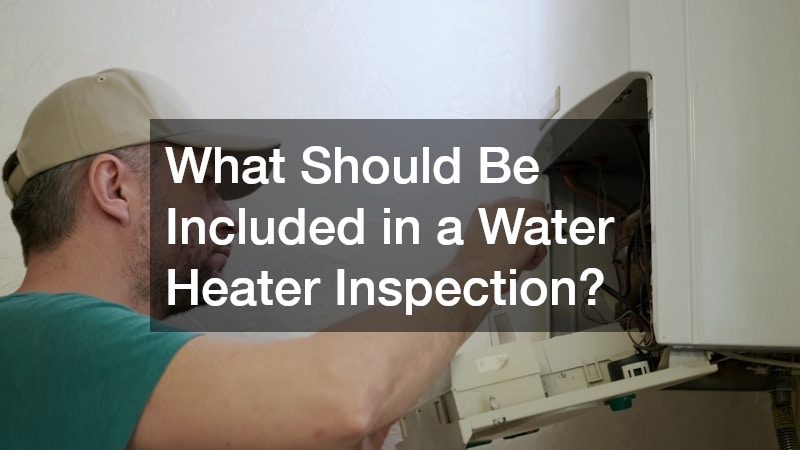
A comprehensive inspection begins with a visual assessment. Plumbing professionals look for signs of corrosion, leaks, discoloration, or structural damage. They’ll also examine the tank, burner assembly, and any surrounding components to ensure everything is in proper condition.
Checking Connections and Valves
Loose or worn-out connections can cause leaks or poor performance. An inspection ensures all gas, electrical, and water connections are secure. Professionals also check isolation valves, drain valves, and the shutoff valve to confirm they function correctly.
Testing the Temperature and Pressure Relief Valve
The temperature and pressure (T&P) relief valve is one of the most critical safety components on a water heater. During an inspection, a plumber will test the valve to ensure it can open and release pressure if needed. A faulty T&P valve can present serious safety hazards, making this step essential.
Flushing the Tank
Sediment naturally accumulates at the bottom of tank-style heaters, reducing efficiency and shortening the unit’s lifespan. Flushing the tank removes this buildup and helps restore optimal performance. Most professionals recommend flushing the tank annually, especially in areas with hard water—such as Cedar Park, TX.
When to Call a Professional: Water Heater Inspection Services
DIY vs. Professional Inspections
While homeowners can check for obvious issues—like leaks or unusual noises—professional inspections offer a more thorough evaluation. A licensed plumber has the tools, experience, and safety training to handle gas lines, electrical components, and pressurized systems safely.
Signs You Need a Professional Inspection
If you notice discolored water, foul odors, low hot water pressure, rapid temperature changes, or moisture around the base of the unit, call a professional immediately. These symptoms often indicate deeper mechanical issues that require expert attention.
Benefits of Regular Professional Inspections
Routine inspections help extend your water heater’s lifespan, improve energy efficiency, and reduce the likelihood of emergency repairs. Many homeowners find that regular maintenance lowers utility bills and increases home comfort overall.
Regular water heater inspections are essential for keeping your system safe, efficient, and long-lasting. Whether you’re looking to prevent sediment buildup, detect early warning signs, or ensure everything runs smoothly year-round, partnering with a trusted plumbing company can protect your investment and enhance your home’s comfort. Scheduling annual inspections is a small step that yields big benefits for your household.