
Managing a household involves keeping track of dozens of interconnected elements, but few are as critical to daily health, comfort, and property value as your home’s water network. From the supply lines delivering pristine water for drinking and bathing to the drainage networks carrying wastewater away, every piece plays a vital role. As residential infrastructure ages, components begin to degrade, lose energy efficiency, or fail to meet the demands of growing families. Modernizing these networks ensures that your household benefits from consistent pressure, modern energy savings, and enhanced protection against structural decay.
Upgrading your home infrastructure is not merely about addressing visible fixtures like faucets and showerheads. True infrastructure modernization requires evaluating the hidden engines of your property, including supply wells, storage tanks, water heaters, and private waste treatment systems. Taking a proactive approach toward long-term upgrades allows homeowners to prevent emergency outages, reduce utility expenses, and minimize overall environmental impact. By planning systematic improvements, you can transform an outdated, high-maintenance setup into an efficient, worry-free system.
Evaluating Well Performance and Deep Water Infrastructure
For properties relying on private supply systems, the quality and quantity of your water depend heavily on ground infrastructure. Over time, subterranean aquifers shift, mineral deposits build up inside well screens, and mechanical equipment experiences wear. Routine evaluations help identify drop-offs in flow rates or sudden changes in mineral content before your household experiences a complete loss of running water. Keeping track of pump cycles, pressure tank responsiveness, and drawdown levels gives early indicators of underlying issues.
When deep water equipment requires maintenance, deep cleaning, or complete re-drilling, specialized expertise is essential. Working with qualified local water well and drilling companies ensures that your system meets municipal hydrogeological standards and local health codes. These specialists possess the specialized rig equipment necessary to clear deep-seated sediment, repair casing failures, and drill to deeper water tables when shallow sources dry up. Investing in professional well servicing protects your continuous access to clean, reliable groundwater for decades.
Upgrading Filtration and Whole-House Conditioning
Raw water entering your home often contains dissolved minerals, heavy metals, sediment, or municipal treatment chemicals that affect taste, smell, and plumbing longevity. Installing comprehensive, whole-house conditioning units neutralizes aggressive minerals that cause scale buildup inside pipes and appliances. Modern multi-stage filtration units utilize carbon block technology, reverse osmosis, and media beds to capture microscopic contaminants at the main entry line.
Choosing the right filtration setup depends entirely on a comprehensive supply analysis. Hard water rich in calcium and magnesium shortens the lifespan of heating elements and leaves stubborn deposits on glass and tile. Water softeners paired with targeted iron or sediment filters restore water clarity, protect appliance internals, and reduce the amount of soap needed for laundry and dishwashing. Upgrading your treatment media periodically keeps the entire house running on clean, gentle water.
Protecting Property Value with Proactive Damage Prevention

Water is one of the most destructive elements to structural materials, capable of compromising wood framing, drywall, and subfloors in a surprisingly short time frame. Silent leaks hidden behind walls, under slab foundations, or inside crawl spaces can persist for months before showing visible signs. Establishing a routine monitoring protocol and installing automated flood prevention devices are essential steps in safeguarding your asset against expensive structural deterioration.
Integrated leak detection devices offer modern homeowners real-time peace of mind. Inline smart shutoff valves monitor flow patterns continuously, instantly closing the main supply valve if an abnormal continuous flow or sudden pressure drop is detected. Paired with localized moisture sensors near high-risk appliances, these smart installations prevent catastrophic internal flooding even when you are away from home. Proactive structural protection always costs a fraction of reactive disaster cleanup.
Addressing Hidden Leaks and Structural Moisture Issues
When a pipe bursts, a drain backups, or an appliance line fails, water quickly spreads into porous building materials. Moisture trapped within floor joists, subfloors, and wall cavities creates an ideal environment for structural decay and rapid mold growth. Immediate mitigation requires specialized extraction equipment, industrial dehumidifiers, and thermal imaging cameras to locate hidden pockets of trapped liquid before permanent damage takes hold.
Handling extensive flooding or long-term unseen leakage requires professional intervention to fully restore living spaces. Enlisting an experienced water damage service allows homeowners to thoroughly dry out compromised structures, remediate potential mold hazards, and safely repair damaged building framing. Certified remediation teams utilize air movers and moisture meters to verify that building materials have returned to safe dry standards before cosmetic repairs begin.
Restoring Living Spaces After Moisture Disasters
Once the initial moisture extraction is complete, the physical reconstruction process begins. Removing unsalvageable drywall, warped flooring, and ruined insulation is necessary to prepare the structure for fresh building materials. Structural drying must be carefully monitored throughout this phase to guarantee no lingering dampness remains trapped within the wall frames or concrete slabs.
Completing comprehensive repairs requires a coordinated approach to structural rebuilding and sanitation. Partnering with a dedicated water damage restoration team ensures that your home is returned to a safe, healthy, and structurally sound condition. These specialists handle everything from structural decontamination to subfloor replacement and drywall finishing, ensuring that your home’s indoor air quality and structural integrity are fully restored following a moisture emergency.
Optimizing Mechanical Equipment and Pumping Efficiency
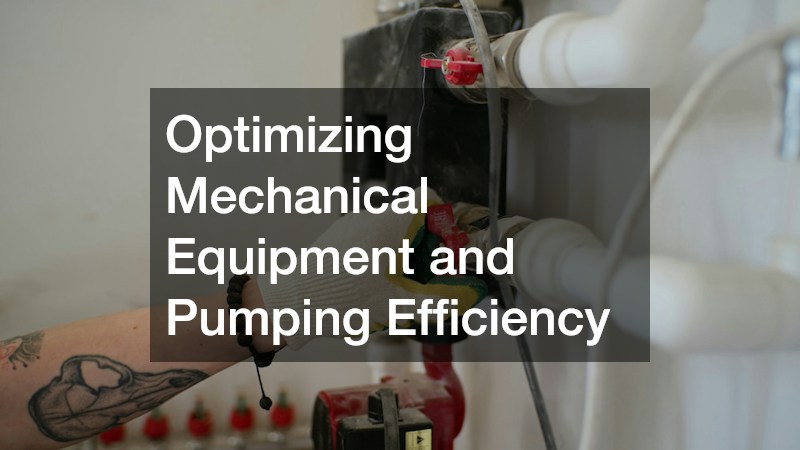
Mechanical pumps are the unsung heroes of residential plumbing, continuously moving supply fluid, managing wastewater, and preventing basement flooding. Whether it is a jet pump drawing from a shallow well, a submersible unit deep underground, or a sump pump guarding your basement, these mechanical devices endure immense mechanical stress. Regular mechanical servicing, lubrication, and electrical checks ensure these pumps respond reliably during peak demand or heavy storm events.
Pump failure often occurs during times of high stress, such as heavy rainstorms or periods of peak household water usage. Age, motor wear, thermal overload, and mechanical debris are the primary culprits behind sudden pump failures. Installing backup battery systems for critical pumps and scheduling annual motor testing significantly reduces the likelihood of catastrophic failure when you need your mechanical systems the most.
Servicing Sump, Jet, and Submersible Units
Every pump type inside or outside your home serves a unique purpose and operates under specific mechanical conditions. Submersible well units operate deep underwater, requiring waterproof electrical connections and properly sized torque arrestors to prevent pipe wear. Jet pumps located above ground must maintain precise priming to prevent air locks that overheat internal impellers.
Keeping these diverse mechanical drive units operating smoothly demands routine technical attention. Relying on certified pump services ensures that mechanical seals, pressure switches, impellers, and electrical check valves are operating within original manufacturer tolerances. Professional technicians can measure motor amp draws and check capacitor health, catching subtle mechanical drag before it causes complete drive motor failure.
Enhancing Household Pressure and Flow Management
Low water pressure in the shower or slow-filling washing machines are common complaints in homes with aging plumbing networks. Pressure issues often stem from failing pressure tanks, corroded galvanized piping, or improperly calibrated pressure switches. Modern constant-pressure systems use variable frequency drives to adjust pump speed in real time, delivering consistent pressure regardless of how many fixtures are running simultaneously.
Upgrading your pressure management setup involves evaluating both supply volume and internal pipe friction. Installing smooth-walled modern supply piping alongside properly sized expansion tanks eliminates annoying pressure spikes and water hammer. Balancing the system pressure protects sensitive home appliances from stress while delivering a luxurious, consistent flow experience at every tap throughout your home.
Heating Infrastructure Upgrades and Tankless Innovation
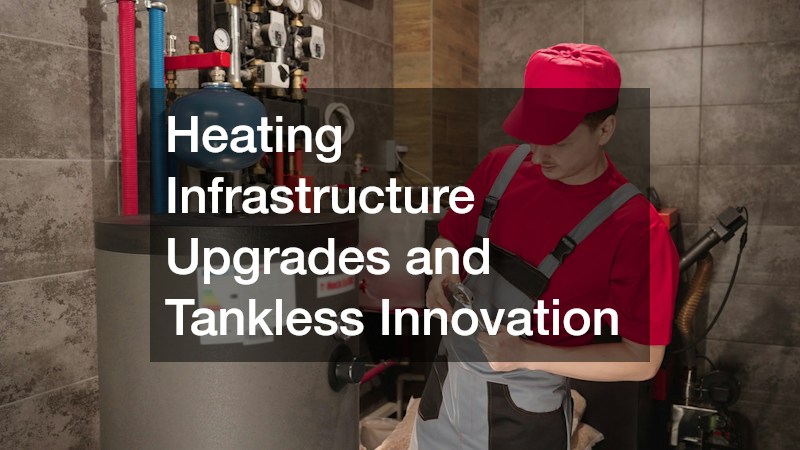
Water heating accounts for a major portion of a typical household’s energy budget. Traditional tank-style heaters continuously heat dozens of gallons of water day and night, leading to significant standby energy loss. Modern heating infrastructure focuses on minimizing energy waste while delivering instantaneous, unlimited hot water tailored to your family’s daily habits and peak consumption times.
Upgrading your heating system requires assessing fuel availability, peak flow rate demands, and physical installation constraints. Modern options range from high-efficiency gas units to hybrid heat pump systems that pull ambient heat from surrounding air. Moving away from inefficient legacy heating appliances significantly reduces monthly utility bills while improving hot water delivery speeds across large residential footprints.
Routine Maintenance for Hot Water Infrastructure
Boilers and standard hot water tanks require ongoing maintenance to prevent premature internal corrosion and efficiency loss. Over time, heavy mineral sediment settles at the bottom of heating tanks, creating an insulating layer that forces the heating element to work harder and overheat. Flushing the tank annually removes this harmful sediment and prolongs the operational life of the appliance.
When your heating system exhibits unusual popping noises, fluctuating water temperatures, or minor leaks around valves, swift action is required. Contacting technicians specializing in local water heater repairs prevents minor component failures from turning into massive tank ruptures. Skilled technicians can replace worn anode rods, faulty heating elements, and failing pressure relief valves to keep your hot water flowing safely and reliably.
Transitioning to Instantaneous Heating Units
Many modern households are replacing bulky storage tanks with wall-mounted, demand-based heating technology. Instantaneous systems ignite powerful burners or energize heavy-duty heating elements only when a hot water tap is opened. This approach eliminates standby heat loss entirely, providing a continuous supply of hot water while taking up a fraction of the floor space required by conventional storage tanks.
Making the switch to tankless water heaters requires careful planning regarding gas supply line sizing, electrical service capacity, and specialized venting requirements. These high-performance units require larger instantaneous energy inputs than traditional tanks, meaning gas lines or electrical panels often need upgrading during installation. Once properly installed, demand-based systems offer exceptional energy performance and an endless hot water supply.
Maintaining Drainage, Supply Pipes, and Main Lines
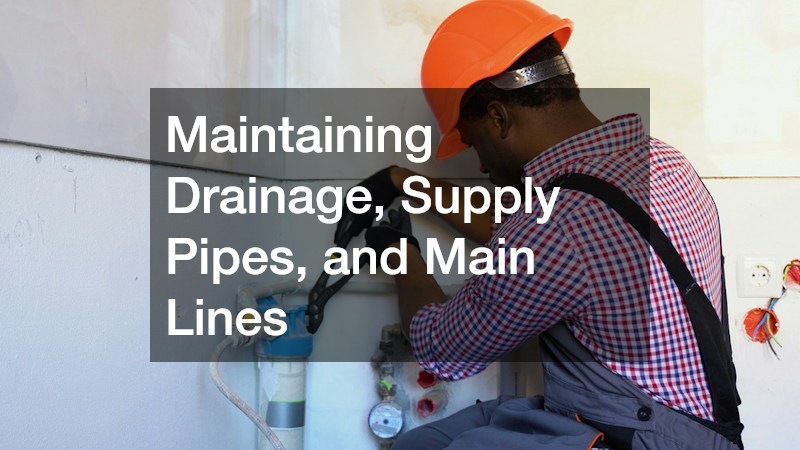
The unseen network of supply and drain pipes running through your walls, floors, and yard carries the heavy burden of daily household operations. Over time, supply pipes can build up scale or experience pinhole leaks, while drain lines face tree root intrusion, grease buildup, and structural sagging. Maintaining smooth, clear flow through these critical pathways is vital for avoiding unsanitary backups and costly property damage.
Modern plumbing line inspection utilizes miniature high-definition cameras attached to flexible fiber-optic cables. These cameras travel deep into main sewer lines and interior drains, providing clear video footage of cracks, root penetrations, or heavy grease blockages. Utilizing non-destructive diagnostic tools allows homeowners to precisely pinpoint line defects and fix them before a major pipe collapse occurs.
Hiring Experts for Complex Line Work
While minor sink clogs can often be handled with a manual plunger, major line installations, rerouting, and gas line connections demand licensed expertise. Improperly installed piping can lead to sewer gas leaks, code violations, structural damage, and unhygienic wastewater backups. Working with trained professionals guarantees that pipe pitch, venting ratios, and material selections comply strictly with regional building codes.
Developing a working relationship with reliable local plumbers ensures that your home has immediate support during severe pipe emergencies or planned remodeling projects. Licensed master tradespeople bring specialized equipment, such as hydro-jetters and pipe locators, to resolve difficult underground line disruptions safely. Professional craftsmanship protects your home’s foundational integrity and guarantees long-term drainage reliability.
Comprehensive Diagnostic and Clearing Services
Preventive drain cleaning goes beyond temporary drain cleaner solutions, which often contain harsh chemicals that corrode metal and PVC piping. Professional hydro-jetting uses high-pressure water streams to blast away decades of accumulated grease, soap scum, and invasive tree roots from internal pipe walls. This restores drain lines to near-original inner diameters without damaging the pipe structure itself.
Routine maintenance protocols should include periodic inspection of cleanout access ports, backflow prevention valves, and main shutoff controls. Accessing comprehensive plumbing services on a regular schedule keeps your drainage networks free-flowing and prevents structural contamination. Proactive line maintenance preserves your peace of mind and keeps household wastewater moving safely away from your living space.
Private Wastewater Management and Septic Care
For homes off the municipal sewer grid, private wastewater treatment systems handle all household effluent. A standard system relies on a heavy-duty settling tank paired with an underground soil absorption field. Microorganisms inside the tank break down solid waste, separating scum and sludge from liquid effluent before it flows out into the drainfield for natural soil filtration.
Proper management of private waste infrastructure requires careful household habits. Excessive water usage can overload the treatment tank, flushing solid waste out into the delicate absorption trenches and blinding the soil. Additionally, dumping harsh household chemicals, paints, oils, or non-biodegradable items down the drain kills the beneficial bacteria needed to break down solids, leading to system failure and environmental contamination.
Planning and Executing System Replacements
When an existing waste tank cracks, fails structural inspection, or can no longer handle your household’s daily volume, a complete system upgrade is necessary. Modern waste management tanks are constructed from high-density polyethylene, fiberglass, or reinforced concrete designed to withstand decades of soil pressure and corrosive sewage gases. Proper sizing and soil percolation testing dictate the exact capacity and layout required for your property.
Executing a flawless installation involves extensive excavation, precise elevation grading, and strict adherence to environmental health department regulations. Engaging certified contractors for septic tank installation guarantees that soil compaction, pipe slope, and tank leveling are executed to exact technical specifications. A professionally installed private treatment unit provides safe, odorless waste processing for decades when properly cared for.
Routine Sludge Removal and Maintenance Cycles
Over time, undigested solids settle at the bottom of your primary waste tank, forming a dense sludge layer that steadily reduces the available liquid volume. If this sludge layer grows too deep, solid particles escape into the outlet pipe and clog the drainfield lines, leading to expensive soil remediation projects or total drainfield failure.
Scheduling regular septic tank cleanouts every three to five years is the single most important maintenance task for private waste systems. Professional vacuum trucks pump out accumulated sludge and floating scum layers, inspect internal baffles for structural damage, and ensure that effluent filters are completely clear. Following a strict pump-out schedule prevents catastrophic system backups and protects your surrounding landscape from sewage contamination.
Ensuring Long-Term System Reliability and Efficiency
Maintaining and upgrading your residential water networks is an ongoing commitment that pays massive dividends in comfort, safety, and property value. By taking a holistic approach—from monitoring deep groundwater sources and modernizing heating units to protecting structural framing and managing private waste systems—you eliminate the stress of sudden infrastructure failures. Investing in quality equipment, smart monitoring technology, and periodic maintenance ensures that your home remains a safe, efficient, and reliable sanctuary for your family for many years to come.